The Complete Guide to Paint Protection in Australia
By Verified Detailers | 11 Min Read
back to resourcesAs of 2026, the Australian automotive paint protection market is worth over $400 million annually — yet most vehicle owners walk into an installer without knowing the difference between a film, a coating, or a wrap. The result is thousands of Australians paying for the wrong product every year, either overspending on protection they don't need or underspending on protection that fails within 18 months.
This guide is the definitive reference for every paint protection option available in Australia. We cover what each product does, what it costs, how long it lasts in Australian conditions, and how to identify an installer who is genuinely qualified to apply it.
What Is Paint Protection for Cars?
Paint protection is any product or process applied to a vehicle's painted surfaces to reduce the rate of deterioration caused by environmental exposure, physical impact, and UV radiation. In Australian conditions — with a UV index regularly exceeding 11 (Extreme) and coastal salt air along the entire eastern seaboard — untreated factory paint begins degrading within the first 12 months of ownership.
There are three primary categories of paint protection available in Australia: Paint Protection Film (PPF), vinyl wrap, and ceramic coating. Each solves a different problem, operates at a different price point, and is appropriate for a different type of vehicle owner. They are not interchangeable.
The Three Types of Paint Protection
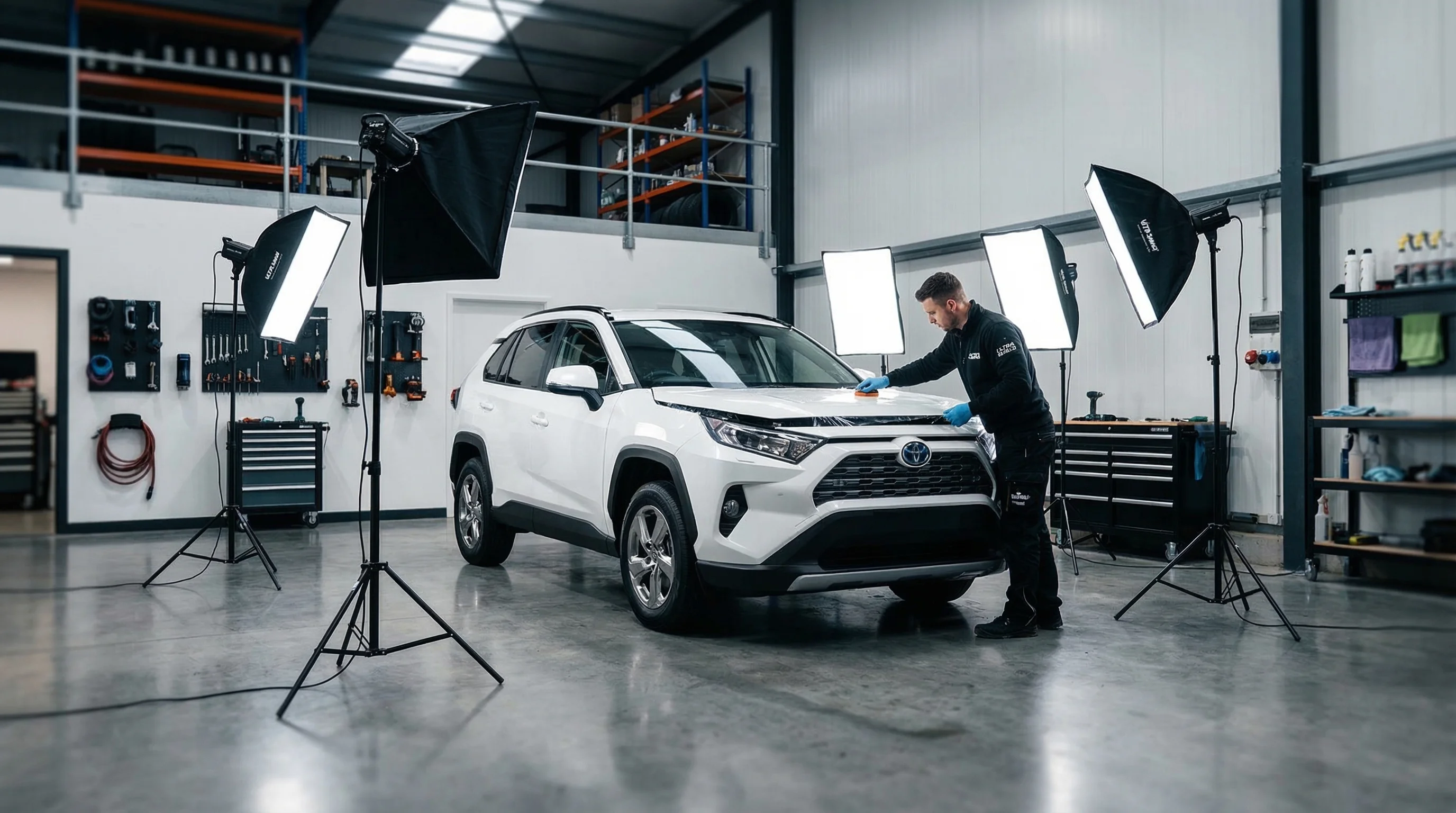
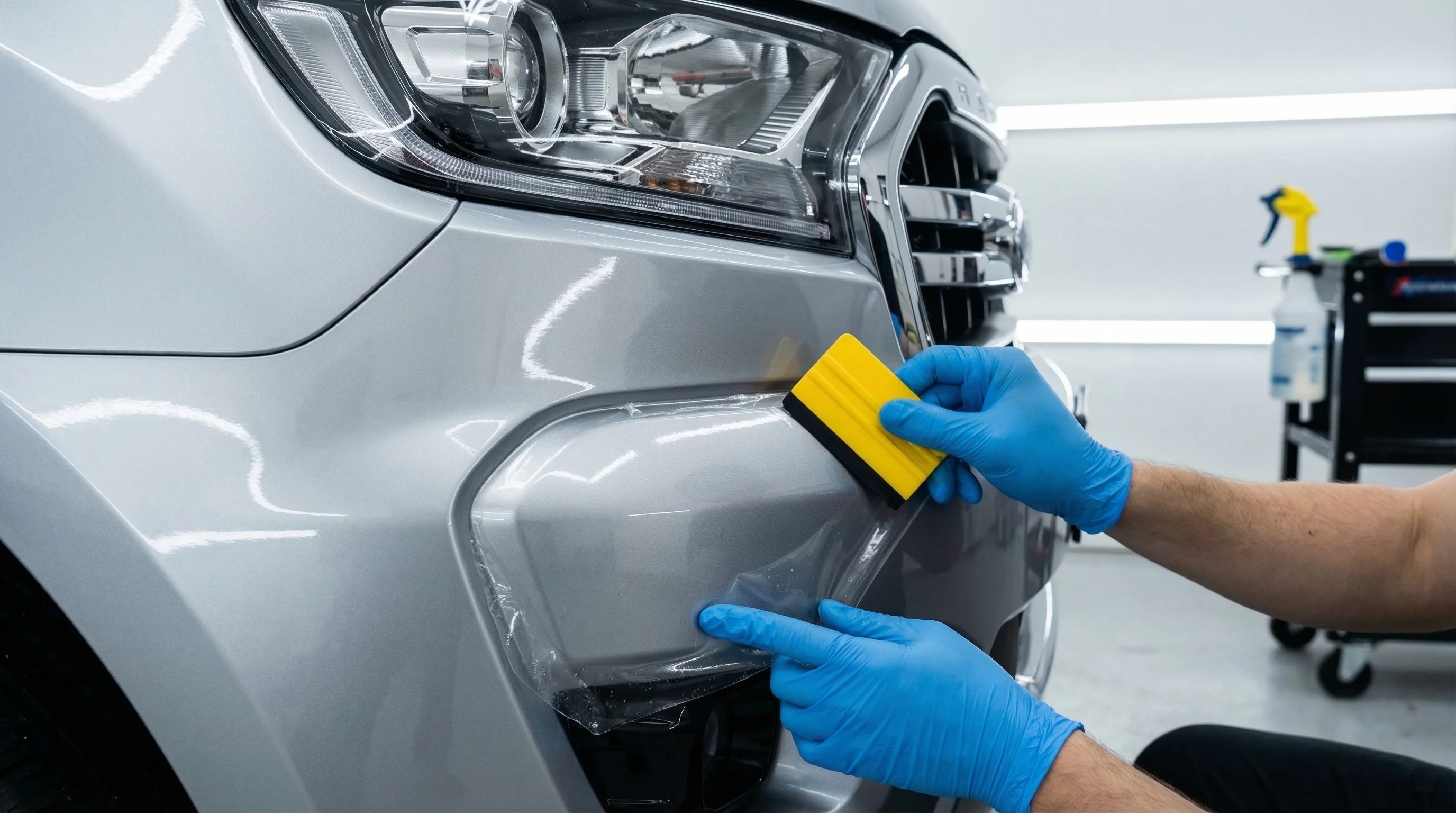
Paint Protection Film (PPF) is a thick, optically clear thermoplastic urethane film applied directly to the vehicle's paint surface. It is designed to absorb physical impact — stone chips, scratches, and road debris — without those impacts reaching the paint. Premium PPF films self-heal when exposed to heat.
Vinyl Wrap is a thinner, colour-carrying film applied over the paint surface. It is designed primarily for aesthetic customisation — colour changes, finish changes, and brand livery — and provides minimal physical protection. A vinyl wrap will not stop a stone chip.
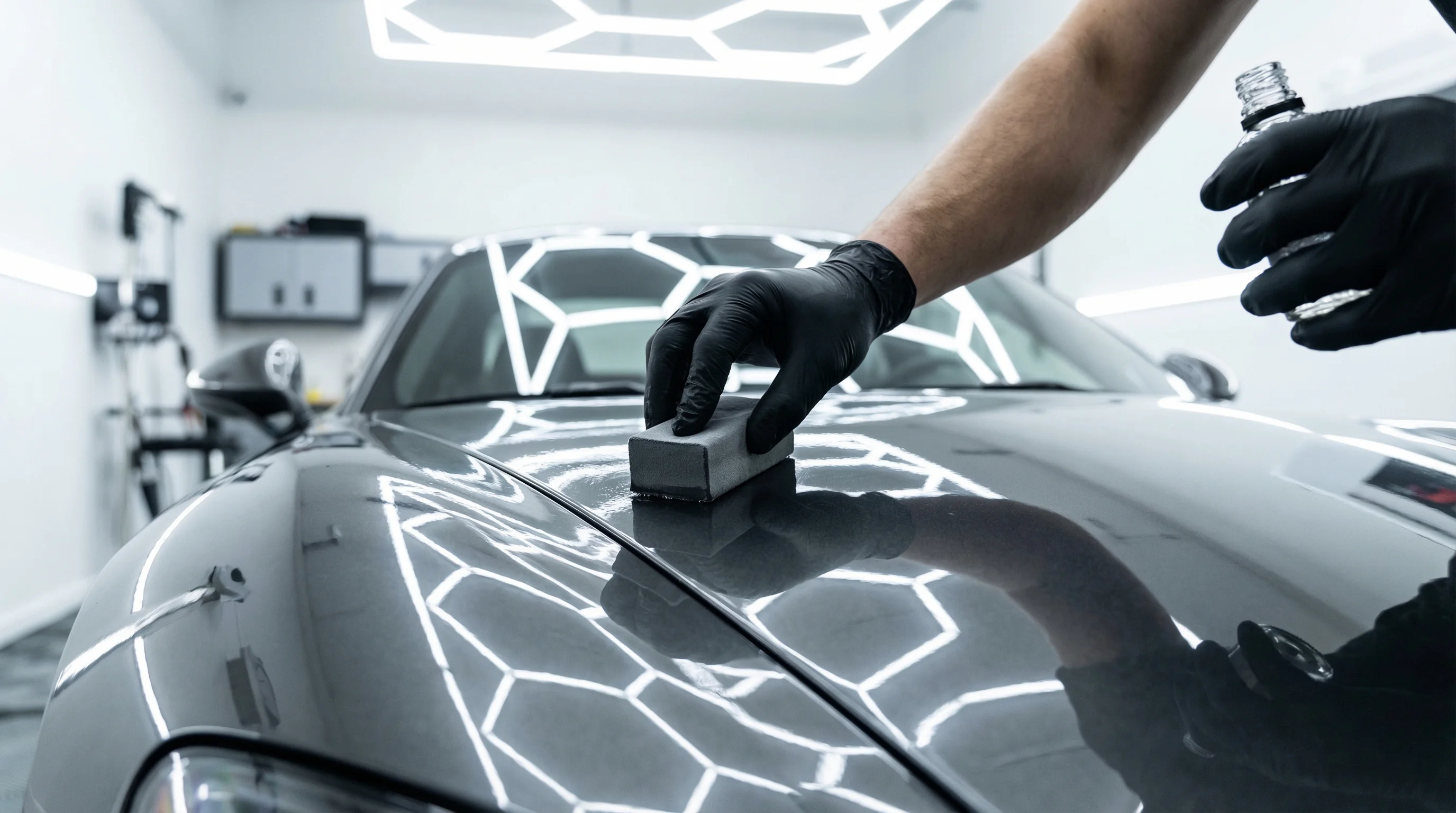
Ceramic Coating is a liquid polymer applied to the vehicle's paint or film surface that chemically bonds to form a hydrophobic, UV-resistant layer. It does not absorb physical impacts but significantly reduces the rate of environmental degradation, water spotting, and UV fade.
Paint Protection Film: The Physical Shield
Paint Protection Film is the highest level of paint protection available for a vehicle's surface. As of 2026, a full-vehicle PPF installation in Australia costs between $5,000 and $12,000 depending on vehicle size, film brand, and installer accreditation. A partial installation covering the front bumper, bonnet, and mirrors — the highest-impact zones for stone chips — costs between $1,500 and $3,500.
PPF is appropriate for:
- New vehicles valued above $40,000 where factory paint integrity is commercially significant
- Vehicles used regularly on motorways or unsealed roads with high stone chip exposure
- Vehicles in coastal regions where salt air accelerates paint oxidation
- Any owner intending to maintain resale value over a long ownership period
Premium PPF films from Xpel, Stek, and Llumar carry manufacturer warranties of 10 years and are engineered specifically for high-UV environments like Australia. Self-healing films elastically recover from light scratches within minutes when the surface temperature rises — either from sunlight or warm water.
In the Illawarra, Shoalhaven, and Southern Highlands, our directory lists every local detailer in the region. Those carrying the Verified badge have passed our audit for documented training, insurance, and authorised product accreditation. View PPF specialists in our directory →
For a detailed breakdown of whether to choose pre-cut or custom PPF — and what drives the $3,000 price gap between the two — read our dedicated guide below.
Pre-Cut vs Custom PPF: The $3,000 Difference →
Vinyl Wrap: Colour Change and Surface Coverage
Vinyl wrap is not a paint protection product in the physical sense. It is a colour-change and aesthetic customisation product that, as a secondary benefit, shields the factory paint from UV fade and minor surface scuffs during its service life. When professionally removed, it reveals factory paint in the same condition it was in at the time of application.
As of 2026, a full-vehicle vinyl wrap in Australia costs between $2,500 and $6,000 for a standard passenger vehicle. Premium finishes — satin, matte, chrome, or colour-shift — carry higher material and labour costs.
Vinyl wrap is appropriate for:
- Vehicle owners who want to change colour or finish without a full respray
- Business operators requiring branded livery that can be removed at end of lease
- Owners intending to resell within 3–5 years who want to preserve factory paint condition underneath
In Australian coastal conditions — particularly along the Illawarra coast and the South Coast from Wollongong to Ulladulla — vinyl wrap lifespan is reduced by prolonged UV exposure and salt air. A vinyl wrap in these conditions without undercover parking should be budgeted for a 3–5 year replacement cycle.
For a direct comparison of vinyl wrap and PPF across cost, lifespan, and protection capability — read our dedicated guide below.
Vinyl Wrap vs. PPF: Which Protection Do You Actually Need? →
Ceramic Coating: Chemical Defence Against the Elements
Ceramic coating is the most accessible entry point into paint protection, with professional application costs ranging from $500 to $2,500 depending on paint condition, vehicle size, and coating grade. Unlike PPF and vinyl wrap, ceramic coating does not add a physical film layer to the surface — it bonds chemically with the paint or existing film to form a sacrificial hardened layer.
The primary benefits of ceramic coating are:
- Hydrophobic surface — water beads and rolls off, reducing water spot and mineral deposit formation
- UV resistance — the coating absorbs UV radiation before it reaches the paint
- Chemical resistance — protection against bird droppings, tree sap, and industrial fallout which are acidic and etch unprotected paint
- Ease of maintenance — a correctly applied ceramic coating significantly reduces the effort required to keep the vehicle clean
Ceramic coating does not prevent stone chip damage. For vehicles in high-impact environments, ceramic coating alone is insufficient. It should be used as a top layer over PPF, extending the film's lifespan and enhancing its surface properties simultaneously.
In our audits, the most common protection failure we encounter is a dealership-applied ceramic coating — marketed at purchase as "paint protection" — which provides hydrophobic properties but zero physical impact resistance.
Which Paint Protection Is Right for Your Vehicle?
The correct product depends on four variables: your vehicle's value, how you use it, where you park it, and how long you intend to own it.
- New vehicle above $50,000, long-term ownership, motorway or rural use: Full-front PPF + ceramic coating over the top
- New vehicle below $40,000, urban commuter, undercover parking: Ceramic coating only
- Any vehicle where a colour or finish change is the goal: Vinyl wrap, with ceramic coating as a top layer
- High-performance or track vehicle: Full-wrap PPF with ceramic coating
- Second-hand vehicle in sound paint condition, valued above $30,000: Partial PPF on high-impact zones + ceramic coating
The combination of PPF on impact zones, vinyl wrap on aesthetic surfaces, and ceramic coating as a top layer on both is the premium full-coverage specification. Budget $8,000–$15,000 for a full build on a mid-size passenger vehicle as of 2026.
How to Choose a Paint Protection Installer
The quality of the installation is as important as the quality of the product. A premium Xpel film installed by an inexperienced technician in a contaminated environment will fail faster than a mid-grade film installed in a controlled workshop by a certified applicator.
When evaluating any installer, look for the following:
- Documented product training and brand accreditation (authorised Xpel, Stek, or Llumar dealer status)
- Current Public Liability Insurance — minimum $10 million coverage, Certificate of Currency available on request
- Controlled installation environment — enclosed workshop, positive air pressure, contaminant-free surface prep
- Portfolio of completed installations with visible film edge finishing
- Transparent quoting — itemised by zone, product, and labour
Installers who quote over the phone for a full PPF installation without inspecting the vehicle should be treated with caution. Film coverage plans require physical measurement of the specific vehicle to be accurate.
Our directory lists every detailer in the Illawarra, Shoalhaven, and Southern Highlands. Those carrying the Verified badge have passed our audit for training, insurance, and product accreditation. Browse verified specialists →
FAQ: Paint Protection Australia
Does paint protection film stop stone chips?
Yes. Paint Protection Film (PPF) at 150–200 microns is specifically engineered to absorb stone chip impact without damage to the underlying paint. It is the only paint protection product that provides meaningful physical impact resistance. Vinyl wrap and ceramic coating do not prevent stone chip damage.
How long does paint protection last in Australia?
Lifespan varies significantly by product and conditions. Premium PPF lasts 8–12 years in Australian conditions when maintained with ceramic coating. Vinyl wrap lasts 3–7 years depending on UV exposure and climate. Professional-grade ceramic coating lasts 3–5 years before reapplication is recommended. All products degrade faster in coastal high-UV environments without regular maintenance and undercover storage.
Is paint protection worth it on a used car?
Paint protection is worth applying to a used vehicle if the existing paint is in sound condition, the vehicle is valued above $25,000, and you intend to own it for more than 2–3 years. A professional paint correction service should precede any film or coating application on a pre-owned vehicle to ensure proper adhesion and a defect-free result.
Can you apply ceramic coating over PPF?
Yes — and it is recommended. Applying a professional-grade ceramic coating over PPF extends the film's lifespan, enhances its hydrophobic properties, and makes surface maintenance significantly easier. The ceramic coating bonds with the PPF topcoat rather than the paint surface, and when the film eventually requires replacement, the fresh film can be ceramic coated again.
SHARE THIS ARTICLE:

Find a Verified Paint Protection Specialist Near You
Our directory lists every detailer across the Illawarra, Shoalhaven, and Southern Highlands. Filter by Verified status to find a specialist who has been independently audited for training, insurance, and product accreditation.
Browse the Directory
Connecting Australia's finest automotive detailers with discerning owners who demand perfection. Quality, verified, and professional.
© 2026 VERIFIED DETAILERS. ALL RIGHTS RESERVED. HANDCRAFTED FOR PROFESSIONALS.